
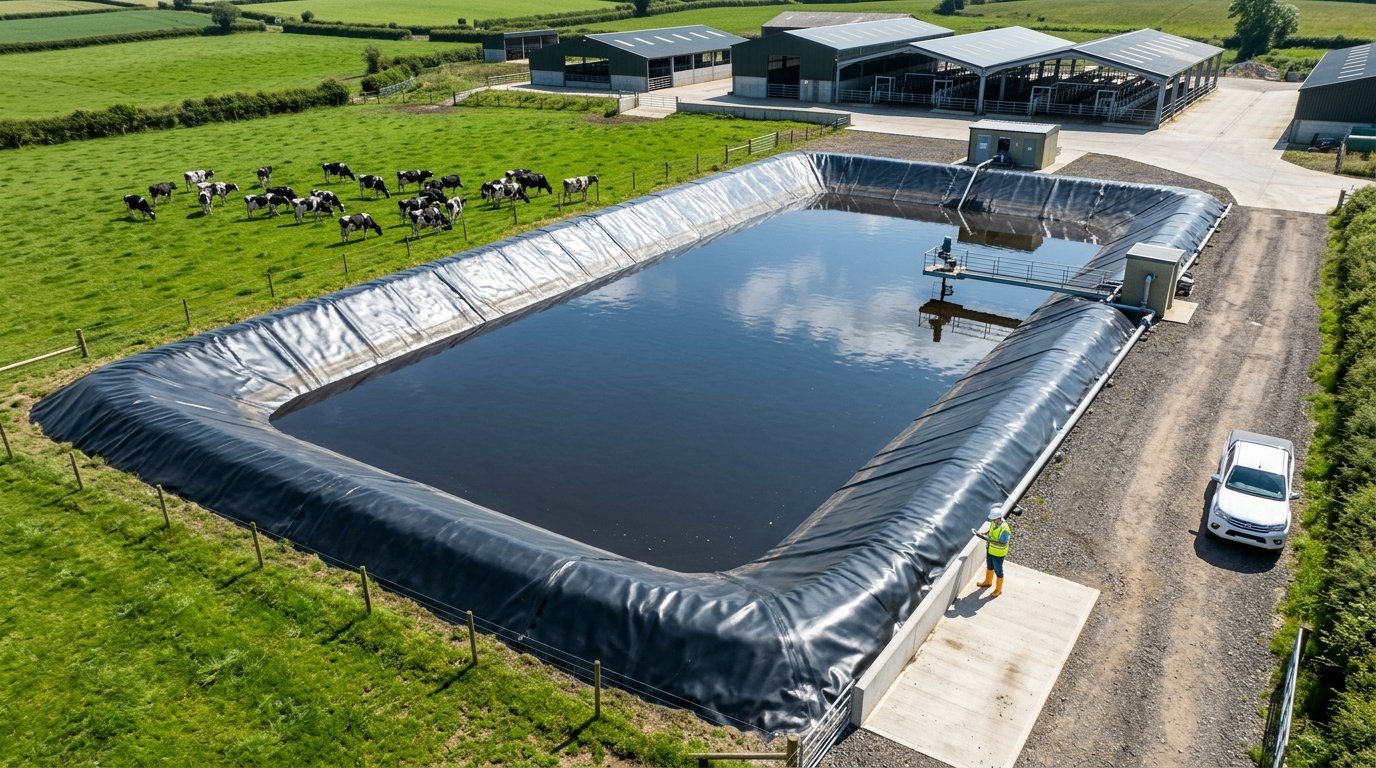
Best Materials for Slurry Lagoon: Why HDPE Liners Are the Smart Choice for Modern Farms
Managing slurry effectively is essential for modern farming operations. Whether you run a dairy farm, pig farm, or mixed agricultural business, choosing the best materials for a slurry lagoon can make a significant difference in environmental protection, operational efficiency, and long-term cost savings.
A properly designed slurry lagoon helps farms safely store animal waste, reduce contamination risks, and comply with environmental regulations. However, the effectiveness of any slurry lagoon depends heavily on the quality of the lining material used.
Today, High-Density Polyethylene (HDPE) geomembrane liners are widely considered the best solution for agricultural slurry lagoons. Companies like Agrilining specialise in installing durable Slurry Lagoon HDPE Liners that protect farms while providing long-lasting performance.
Why the Right Slurry Lagoon Material Matters
Slurry lagoons hold large volumes of liquid manure and agricultural waste. Without a reliable lining system, harmful contaminants can seep into the surrounding soil and groundwater. This can lead to:
- Environmental damage
- Regulatory penalties
- Loss of valuable nutrients
- Costly remediation work
- Structural instability in the lagoon
Choosing the best material for your slurry lagoon is not simply about storage — it is about protecting your farm for the future.
Common Materials Used for Slurry Lagoons
Several materials have traditionally been used for slurry lagoons, but not all provide the same level of durability or protection.
Clay Liners
Clay was once a common option for lagoon lining because it was inexpensive and widely available. However, clay liners often develop cracks due to drying, movement, or freeze-thaw cycles.
Limitations of Clay Liners:
- Difficult to maintain
- Vulnerable to leakage
- Performance varies depending on soil quality
- Requires ongoing repairs
For modern farms seeking reliable long-term performance, clay is often no longer the preferred option.
Concrete Lagoons
Concrete structures can provide strength, but they are expensive to build and may crack over time due to ground movement and chemical exposure from slurry.
Challenges with Concrete:
- High installation costs
- Susceptible to cracking
- Complex repairs
- Less flexible than geomembranes
While concrete may suit some applications, many agricultural operations now prefer flexible lining systems.
HDPE Geomembrane Liners
HDPE geomembrane liners have become the industry standard for slurry lagoons across the agricultural sector. These engineered liners offer exceptional durability, chemical resistance, and leak prevention.
Agrilining provides professionally installed Slurry Lagoon HDPE Liners designed specifically for agricultural environments.
Why HDPE Is the Best Material for Slurry Lagoons
Excellent Chemical Resistance
Animal slurry contains ammonia, organic acids, and various chemicals that can degrade weaker materials over time. HDPE liners are highly resistant to chemical attack, making them ideal for long-term slurry storage.
Outstanding Durability
HDPE liners are designed to withstand harsh agricultural conditions, including:
- UV exposure
- Temperature fluctuations
- Heavy rainfall
- Ground movement
- Mechanical stress
This durability helps farmers avoid costly repairs and downtime.
Superior Leak Protection
One of the biggest advantages of HDPE geomembrane liners is their extremely low permeability. This prevents slurry from leaking into surrounding soil and groundwater.
By installing a professionally fitted liner from Agrilining, farms can significantly reduce environmental risks and improve compliance with environmental standards.
Cost-Effective Long-Term Solution
Although HDPE liners may involve a higher initial investment compared to basic clay systems, they provide substantial savings over time through:
- Reduced maintenance
- Longer lifespan
- Lower repair costs
- Improved environmental protection
For many farms, HDPE liners are the most economical choice over the lifespan of the lagoon.
Flexible Installation
Unlike rigid materials, HDPE geomembrane liners can adapt to different lagoon sizes and ground conditions. This flexibility makes them suitable for:
- Dairy farms
- Pig farms
- Poultry farms
- Anaerobic digestion facilities
- Agricultural wastewater storage
The Importance of Professional Installation
Even the highest quality liner material can fail if installed incorrectly. Proper welding, anchoring, and surface preparation are essential for long-term performance.
Agrilining specialises in agricultural geomembrane lining services, ensuring every slurry lagoon installation meets the highest industry standards.
Benefits of Professional HDPE Liner Installation
- Precise fitting and welding
- Reduced risk of leaks
- Longer operational lifespan
- Compliance with environmental regulations
- Expert advice tailored to your farm
Working with experienced agricultural lining specialists helps protect your investment and ensures reliable slurry containment for years to come.
Environmental Benefits of HDPE Slurry Lagoon Liners
Environmental responsibility is becoming increasingly important for agricultural businesses. HDPE-lined slurry lagoons help farms reduce pollution risks and demonstrate sustainable farming practices.
Key Environmental Advantages:
- Prevents groundwater contamination
- Reduces nutrient loss
- Supports regulatory compliance
- Minimises environmental liability
- Enhances farm sustainability
Many farmers are now upgrading older lagoon systems with modern HDPE geomembrane liners to improve environmental performance and future-proof their operations.
How to Choose the Right Slurry Lagoon Liner
When selecting a slurry lagoon liner, farms should consider:
- Lagoon size and depth
- Soil conditions
- Slurry type
- Local environmental regulations
- Expected lifespan
- Installation expertise
Choosing a trusted specialist like Agrilining ensures you receive expert guidance throughout the process, from design through to installation.
Why Farmers Choose Agrilining
Agrilining has built a strong reputation for delivering reliable agricultural geomembrane lining solutions tailored to the needs of modern farms.
Their Slurry Lagoon HDPE Liners are designed to provide:
- Long-lasting durability
- High-performance leak protection
- Professional installation
- Cost-effective solutions
- Compliance with agricultural regulations
Whether you are constructing a new slurry lagoon or upgrading an existing system, Agrilining offers the expertise needed to protect your farm infrastructure and environmental responsibilities.
Conclusion
Selecting the best materials for a slurry lagoon is one of the most important decisions a farm can make. While traditional materials like clay and concrete still exist, HDPE geomembrane liners have become the preferred solution for modern agricultural slurry storage.
Their durability, chemical resistance, leak prevention, and long-term value make them ideal for farms seeking reliable and environmentally responsible slurry management.
With professional installation services from Agrilining, farmers can invest in high-quality Slurry Lagoon HDPE Liners that deliver lasting performance and peace of mind for years to come.


