
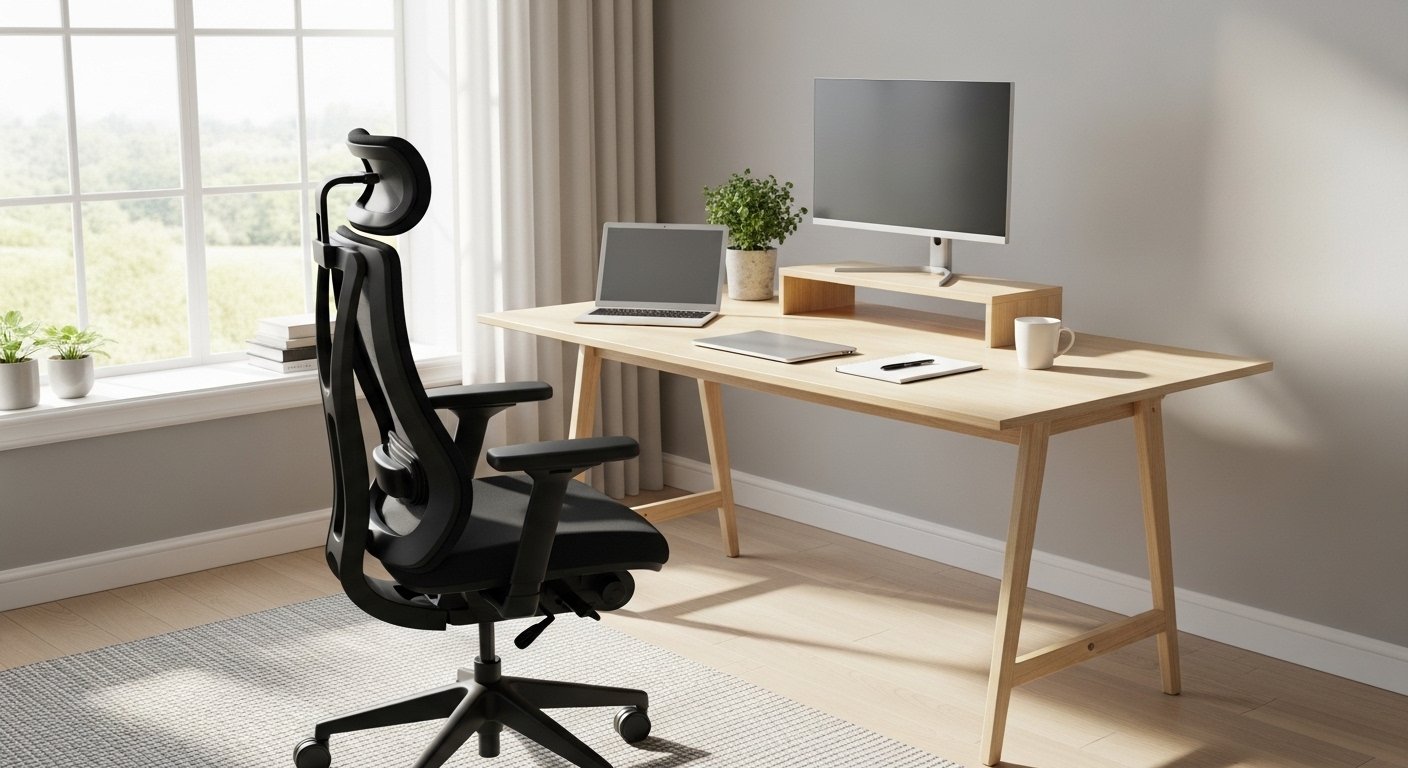
The Most Suitable Ergonomic Chair for Office Use Is Ideal for a Home Office Setup
Modern work habits have changed dramatically, with many professionals spending long hours at desks. That’s why The most suitable ergonomic chair for office use is ideal for a home office setup has become a popular topic among remote workers and office professionals alike. A well-designed ergonomic chair does more than provide a place to sit — it supports posture, reduces fatigue, and improves productivity.
In this guide, we’ll explore how ergonomic seating is transforming workplaces, what features matter most, and how to choose a chair that keeps you comfortable throughout the day.
The Most Suitable Ergonomic Chair for Office Use Is Ideal for a Home Office Setup
Choosing the right seating solution can transform your workspace experience. When people say The most suitable ergonomic chair for office use is ideal for a home office setup, they’re highlighting how adaptable modern ergonomic chairs have become.
These chairs are designed with human anatomy in mind. Adjustable features allow users to personalize seat height, lumbar support, armrests, and tilt tension. This flexibility helps maintain a neutral spine position whether working from a corporate office or a spare bedroom workspace.
Why Ergonomic Chairs Matter Today
Sedentary work habits often lead to back pain, neck stiffness, and fatigue. Ergonomic chairs aim to counter these issues by:
-
Supporting proper spinal alignment
-
Reducing pressure on hips and thighs
-
Improving circulation during long sitting periods
-
Encouraging movement and posture changes
When comfort improves, concentration often follows.
Revolutionizing Comfort: The Future of Ergonomic Chairs
The office furniture industry is rapidly evolving. Revolutionizing Comfort, The Future of Ergonomic Chairs isn’t just marketing language — it reflects real innovation.
Manufacturers now combine ergonomic science with modern materials and smart design.
Advanced Materials and Design
New ergonomic chairs often include:
-
Breathable mesh backs for airflow
-
Memory foam cushioning for pressure relief
-
Flexible frames that adapt to movement
-
Lightweight yet durable construction
These elements improve comfort without sacrificing style.
Smart Ergonomic Technology
Some cutting-edge chairs include:
-
Posture-tracking sensors
-
Automated lumbar adjustments
-
Dynamic recline mechanisms
-
Temperature-regulating fabrics
While not essential, these innovations show where seating design is heading.
Elevate Your Workspace: The Power of Ergonomic Support
Elevate Your Workspace, The Power of Ergonomic Support goes beyond comfort. It directly impacts health, efficiency, and even mood.
Proper support reduces strain on muscles and joints, helping prevent common workplace complaints like lower back pain and shoulder stiffness.
Key Ergonomic Support Features
Look for these essential elements:
- Adjustable Lumbar Support: Maintains the natural curve of the spine.
- Seat Depth Adjustment: Prevents pressure behind the knees.
- Armrest Customization: Supports shoulders and wrists.
- Tilt Mechanism: Encourages subtle movement while sitting.
These features collectively create a supportive sitting experience.
Choosing an Office Chair That Truly Allows You to Sit for Long Periods Without Fatigue
Not all chairs labeled “ergonomic” deliver real comfort. Choosing an office chair that truly allows you to sit for long periods without fatigue requires careful evaluation.
Comfort Testing Tips
Before buying, consider:
-
Sitting duration: Aim for at least 15–20 minutes of testing.
-
Adjustability range: Ensure it suits your body size.
-
Cushion firmness: Neither too soft nor too hard.
-
Backrest flexibility: Should support without forcing posture.
A chair that feels good briefly may not support extended work sessions.
Signs a Chair May Cause Fatigue
Watch for:
-
Tingling legs or numbness
-
Slouching posture
-
Neck strain
-
Frequent repositioning
These signals suggest poor ergonomic compatibility.
Ergonomic Chairs Suitable for Home Use
As remote work grows, Ergonomic chairs suitable for home use are increasingly in demand. Home offices often require furniture that balances comfort, style, and space efficiency.
Home Office Considerations
When selecting a chair for home:
-
Size matters — ensure it fits your workspace.
-
Aesthetic appeal may be important for décor.
-
Noise-free wheels help maintain a peaceful environment.
-
Versatility allows use beyond work hours.
Many people want a chair that blends seamlessly into their living environment.
Budget-Friendly Options
You don’t always need a premium chair. Mid-range ergonomic models often provide:
-
Adequate lumbar support
-
Adjustable height and tilt
-
Durable upholstery
Focus on essential ergonomics rather than luxury extras if budget is limited.
Health Benefits of Using Ergonomic Chairs
Consistent ergonomic support can positively impact physical health.
- Reduced Back Pain: Proper lumbar support decreases spinal stress.
- Improved Posture: Adjustable features encourage natural alignment.
- Better Circulation: Correct seat depth prevents pressure on legs.
- Increased Productivity: Comfort helps maintain focus longer.
These benefits explain why ergonomic chairs are now considered essential rather than optional.
Tips for Maintaining Ergonomic Comfort
Even the best chair needs proper use.
Adjust Your Chair Correctly
-
Feet flat on the floor
-
Knees level with hips
-
Monitor at eye level
-
Armrests supporting elbows
Small adjustments can make a big difference.
Take Regular Breaks
Standing, stretching, and walking periodically prevents stiffness and fatigue.
Keep Your Workspace Organized
Clutter-free desks encourage better posture and efficient workflow.
Common Mistakes When Buying Ergonomic Chairs
Avoid these pitfalls:
-
Prioritizing looks over comfort
-
Ignoring adjustability features
-
Choosing the wrong size
-
Skipping trial periods
Thoughtful selection prevents costly replacements later.
Conclusion
Comfortable seating has become essential in today’s work environment. It’s clear that The most suitable ergonomic chair for office use is ideal for a home office setup, especially as remote and hybrid work continue to grow. From improved posture to enhanced productivity, ergonomic chairs deliver meaningful benefits for both health and performance.
Whether you’re upgrading your corporate workspace or building a home office, investing in proper ergonomic support can transform your daily routine. With thoughtful selection and correct usage, the right chair becomes more than furniture — it becomes a foundation for better work and wellbeing.
FAQs
1. What makes an ergonomic chair different from a regular chair?
Ergonomic chairs offer adjustable features, lumbar support, and design elements specifically aimed at reducing strain and improving posture.
2. Are ergonomic chairs worth the investment?
Yes. They can reduce discomfort, improve posture, and boost productivity, making them valuable for anyone who sits for long hours.
3. How long should I sit in an ergonomic chair?
Even with ergonomic support, experts recommend standing or stretching every 30–60 minutes.
4. Can ergonomic chairs help back pain?
Many users experience reduced back pain due to better spinal alignment and support.
5. What is the ideal feature to prioritize first?
Lumbar support is often considered the most critical feature for long-term comfort.